
Music is one of the most carefully engineered elements of any casino environment. From traditional gaming floors to modern online casinos, tempo and rhythm subtly steer attention, risk-taking, and time perception.
Understanding how different tempos affect behavior helps explain why certain sounds dominate gambling spaces.
Let’s reveal the psychology behind this niche.
How tempo shapes the gambling experience
Casino music is rarely random. It is chosen and structured to create a specific psychological climate that keeps players engaged, focused, and emotionally primed. Tempo is central to this effect:
Faster tracks tend to raise physiological arousal, while slower tempos encourage players to linger, prolonging their presence in the environment and often extending individual sessions. Both approaches serve commercial goals: either speeding up the betting cycle or lengthening overall playtime.
However, the ‘tempo’ of the user journey often shifts when it comes to banking. Expert resources, such as the guide to Revolut casinos at pl.polskiesloty.com/kasyna-revolut/, show that while the gameplay might be fast, the transaction process must remain stable and secure. This creates a psychological balance where the efficiency of Revolut payments provides peace of mind, allowing the player to stay immersed in the game’s rhythm without financial friction.
In physical casinos, tempo also interacts with background noise—the constant sound of machines, chips, and voices. When music is slightly faster than a person’s natural resting rhythm, it can nudge them into a more energetic state without feeling overtly aggressive. When it is slower, it can create a sense of comfort and timelessness, softening the perception of losses and pauses in play.
Online casinos mirror these strategies through sound design. Even minimalist platforms employ musical cues, jingles, and win sounds tuned to specific tempos. Payment pages and banking sections sometimes use calmer, slower music to reassure players when entering financial details or choosing payment methods. In this way, tempo helps maintain a coherent psychological journey from deposit to gameplay.
Fast vs. slow: different tempos, different risks
Behind the scenes, casino soundtracks often move between tempo zones to balance intensity and comfort. The difference in behavioral impact between fast and slow music is especially noticeable at slot machines and fast-paced table games.
Fast tempos:
- Encourage quicker bets and shorter decision times
- Increase emotional intensity after wins and near-misses
- Make sessions feel more dynamic and “alive”
- Support higher-risk choices in already impulsive players
Slow tempos:
- Extend the perceived comfort of the environment
- Encourage players to stay longer at a table or machine
- Smooth out emotional spikes from wins and losses
- Make time feel less urgent and more “blurred”
This contrast is not simply about speed. It interacts with genre, harmony, and instrumentation. A slow, tense soundtrack in a minor key can feel ominous and discouraging, while a slow, warm track with soft chords can feel luxurious and inviting. In practice, casinos tend to avoid extremes in either direction: they favor mid-tempo, rhythmically steady tracks that can run for long periods without drawing conscious attention.
Why players rarely notice the influence
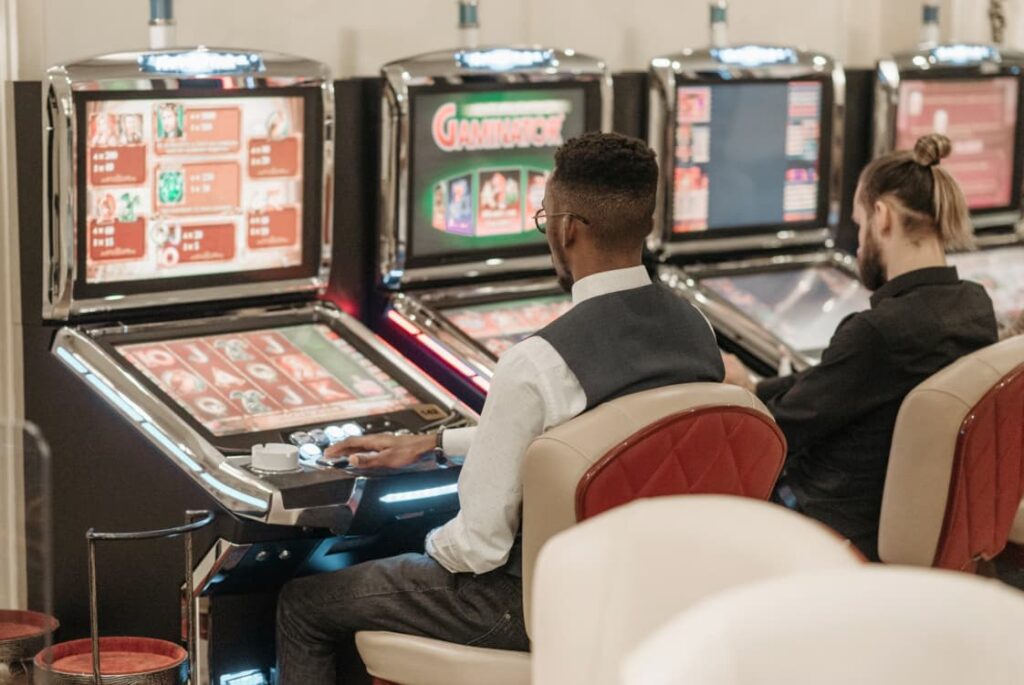
One of the most striking features of casino music is that most players would struggle to describe it after leaving. This is by design. The soundtrack is not meant to be a main focus; it is meant to dissolve into the overall atmosphere while working on a subconscious level.
There are the reasons why this influence often goes unnoticed:
- Low attentional demand: The music avoids complex melodies or sudden changes that would force conscious listening.
- Repetition and consistency: Similar tempos and textures blend into a continuous background, which the brain quickly classifies as “environment” rather than “event.”
- Association with context: Over time, players associate certain musical patterns with the excitement of gambling, making the music feel “natural” to that space.
- Masking by other sounds: Machine noises, crowd sounds, and dealer voices mask details, leaving mostly rhythm and general feel to shape behavior.
Because the music works below the level of focused attention, players tend to attribute their decisions solely to luck, strategy, or mood. Yet the tempo and rhythm are constantly nudging those same moods and perceptions in the background. This is particularly effective in long sessions, where small changes in arousal can accumulate into large differences in total time and money spent.
Final words
Music in casinos is not just decoration; it is a quiet, systematic influence on behavior. Fast tracks energize and accelerate, while slower tempos prolong engagement and soften the edges of losses. Whether on a physical gaming floor or within an online casino interface, these musical choices work continuously, shaping how players feel, act, and remember the experience long after the last note fades.